-
Dated:- 22/10/2026 - Bid document for tender of Manpower Outsourcing Services

-
Dated:- 16/10/2026 - Extension of Tender Submission Date for Fish Pond Auction up to 26 October, 2026
-
Dated:- 16/10/2026 - Bid document for tender of Security Manpower Service
-
Dated:- 08/10/2026 - GeM-Bidding-10002562-Stainless Steel Dining Table and Chair
-
Dated:- 28/09/2026 - Tender Notice for Leasing of Fish Ponds for Fish Farming at ICAR–NRC on Litchi, Muzaffarpur (2026–2029)
-
Dated:- 17/09/2026 - Online Webinar on “A, B, C of Scientific Writing and Use of Bibliometric Tools in Research”
-
Dated:- 10/08/2026 - GeM Bid for Procurement of Interactive Panel with CPU
-
Dated:- 10/08/2026 - Tender for Renovation of Drainage System of T-II & T-III Quarters
-
Dated:- 22/07/2026 - Bid Document for Tender of 'Job Work Contract for Farm Operations'
-
Dated:- 30/06/2026 - Tender Notice for Auction of Longan Fruits – 2026
-
Dated:- 03/06/2026 - Commercial Vehicle Hiring Tender Notice
-
Dated:- 26/05/2026 - FYM-Tank Slit Soil Tender Notice
-
Dated:- 26/05/2026 - Selection of graduate apprentices under National Apprenticeship Training Scheme (NATS) for 12 months training programme at ICAR-NRCL, Muzaffarpur
-
Dated :- 14/05/2026 - Corrigendum of Tender for Grafting and Supply of Quality Planting Material in Mango
-
Dated:- 06/05/2026 - Declaration of Result for Walk in Interview held on 30th April, 2026
-
Dated :- 04/05/2026 - Tender for Production and Supply of Air-Layered (Gootee) Planting Material of Litchi
-
Dated :- 04/05/2026 - Tender for Grafting and Supply of Quality Mango Planting Material
-
Dated:- 29/04/2026 - लीची किसानों हेतु परामर्श
-
Dated :- 13/04/2026 - Tender for Utilization of BARC Unit of ICAR-NRC on Litchi on a hiring basis
-
Dated:- 09/04/2026 - Inviting Applications through NATS Portal for Engagement of Graduate Apprentices at ICAR–NRC on Litchi, Muzaffarpur
-
Dated:- 08/04/2026 - Walk-in Interview for Temporary Engagement of Young Professional–II at ICAR–National Research Centre on Litchi, Muzaffarpur
-
Dated:- 02/04/2026 - Notice for Utilization of Litchi Treatment Facility at ICAR- NRC on Litchi
-
Dated :- 26/03/2026 - Tender Notice for Auction of Litchi Fruits – 2026 | लीची फलों की नीलामी हेतु निविदा सूचना – 2026
-
Dated:- 20/01/2026 - Strategic Review and Roadmap for Litchi Research: 24th IRC Meeting Concluded
-
Dated:- 13/01/2026 - Advanced Entrepreneurship & Skill Development Programme (A-ESDP) on Processing and Post-harvest Value Chain Management in Litchi, to be organized by ICAR–National Research Centre on Litchi, Muzaffarpur, during 16–22 February 2026
-
Dated:- 08/12/2025 - Declaration of Result of Walk-in-Interview Held on 3rd December 2025 for Engagement of Graduate Apprentices (Notification No. NRCL-012025)
- Dated:- 23/09/2025 - Declaration of Result
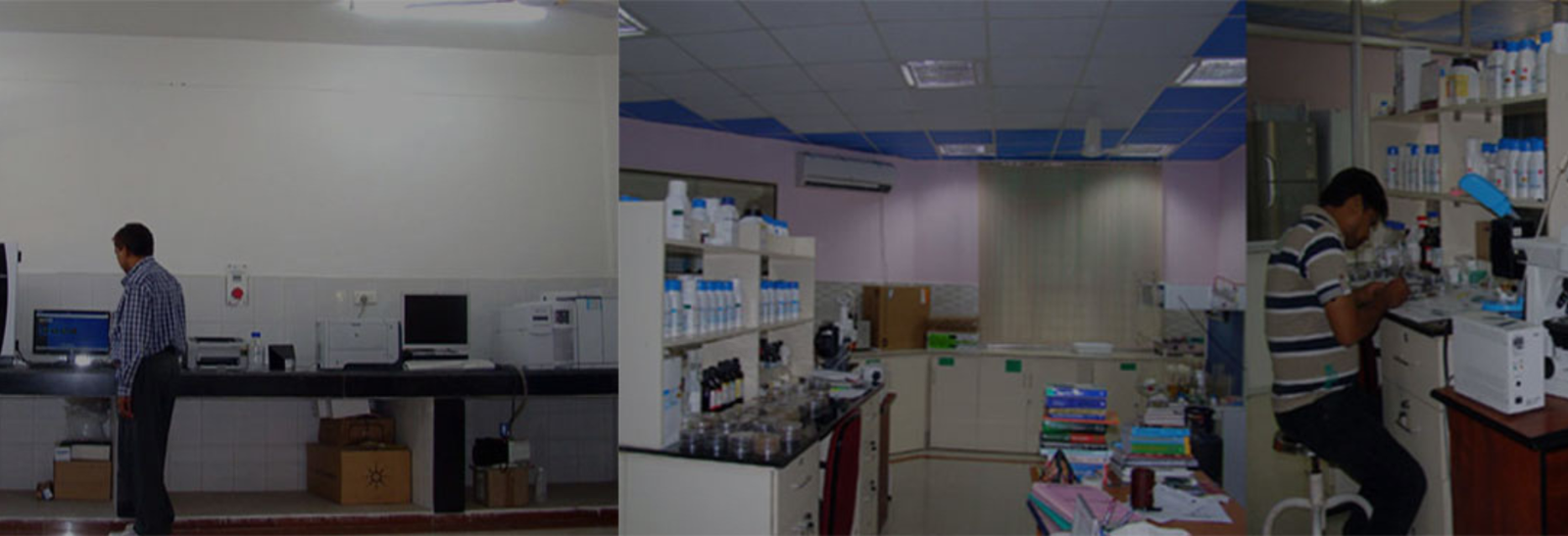
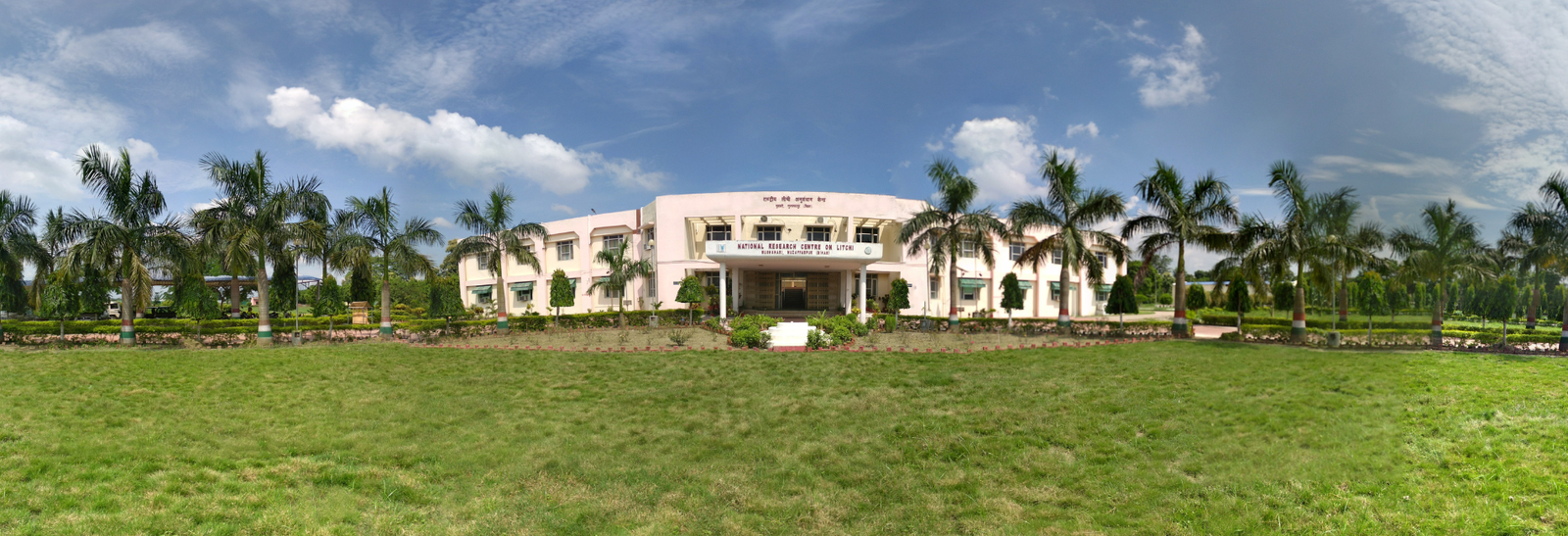
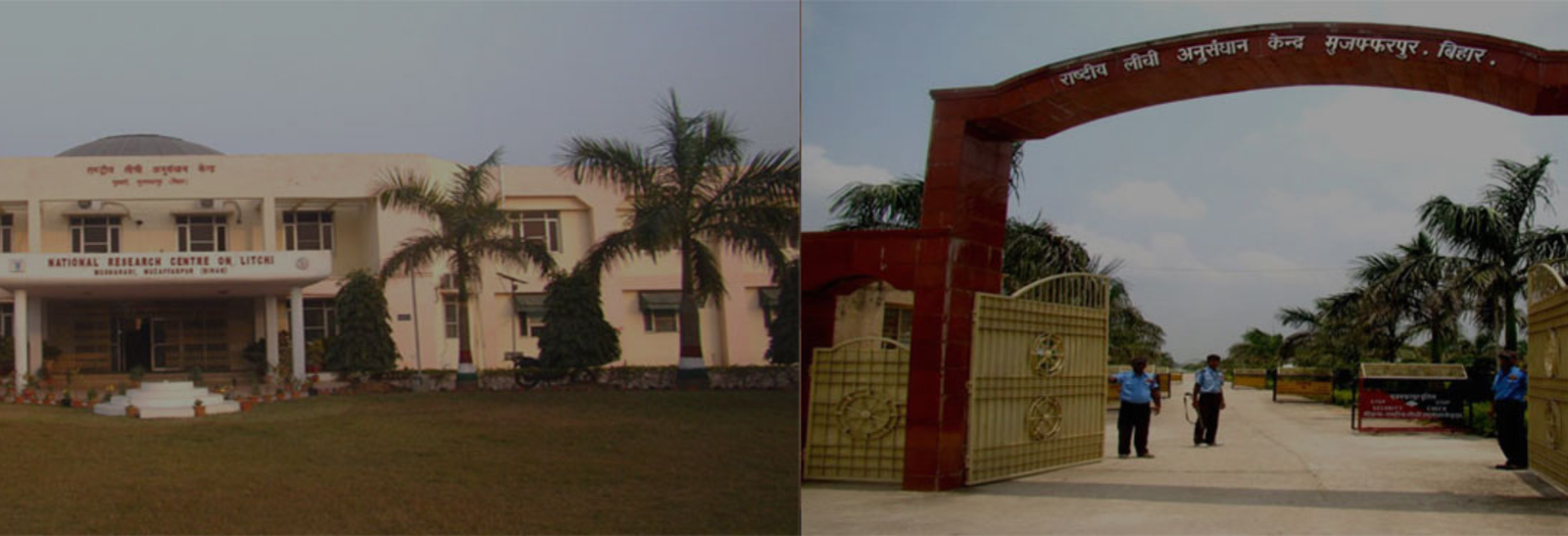
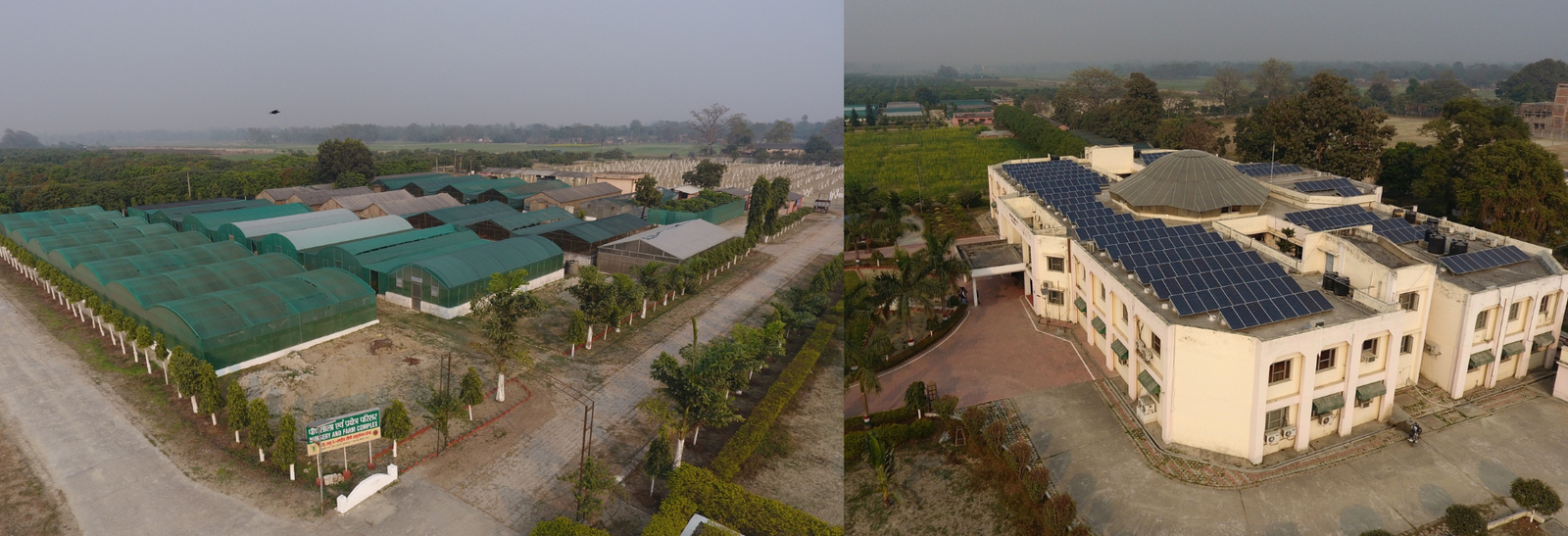
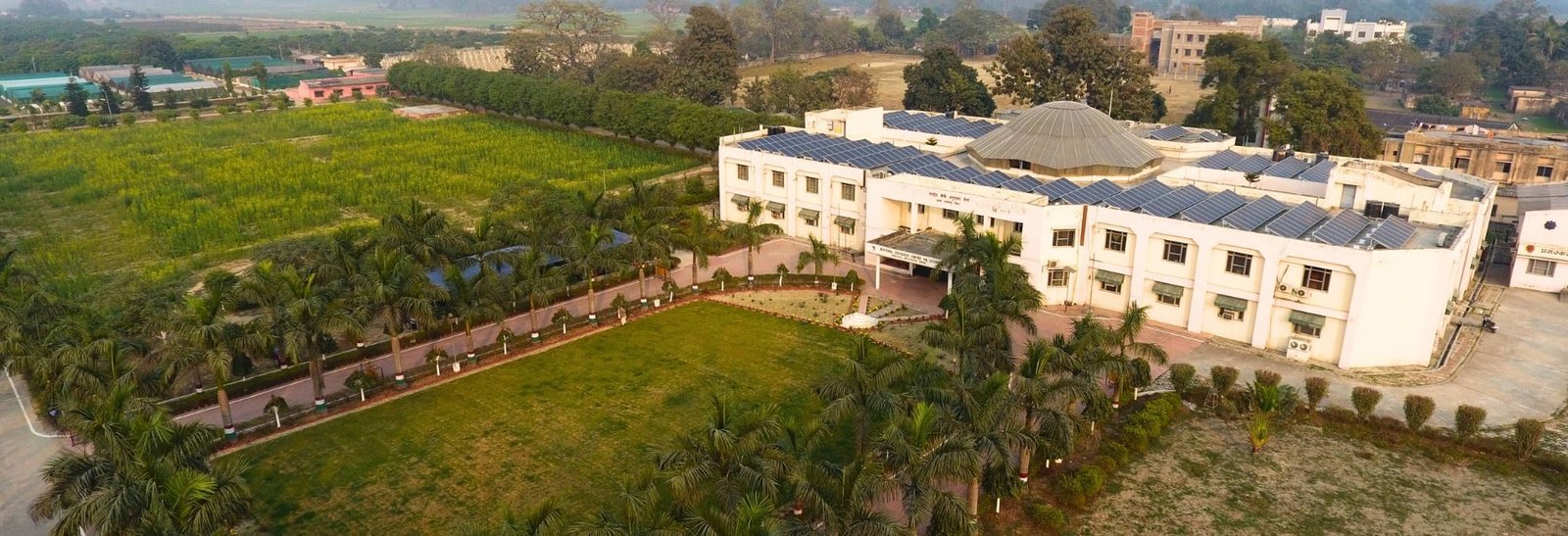
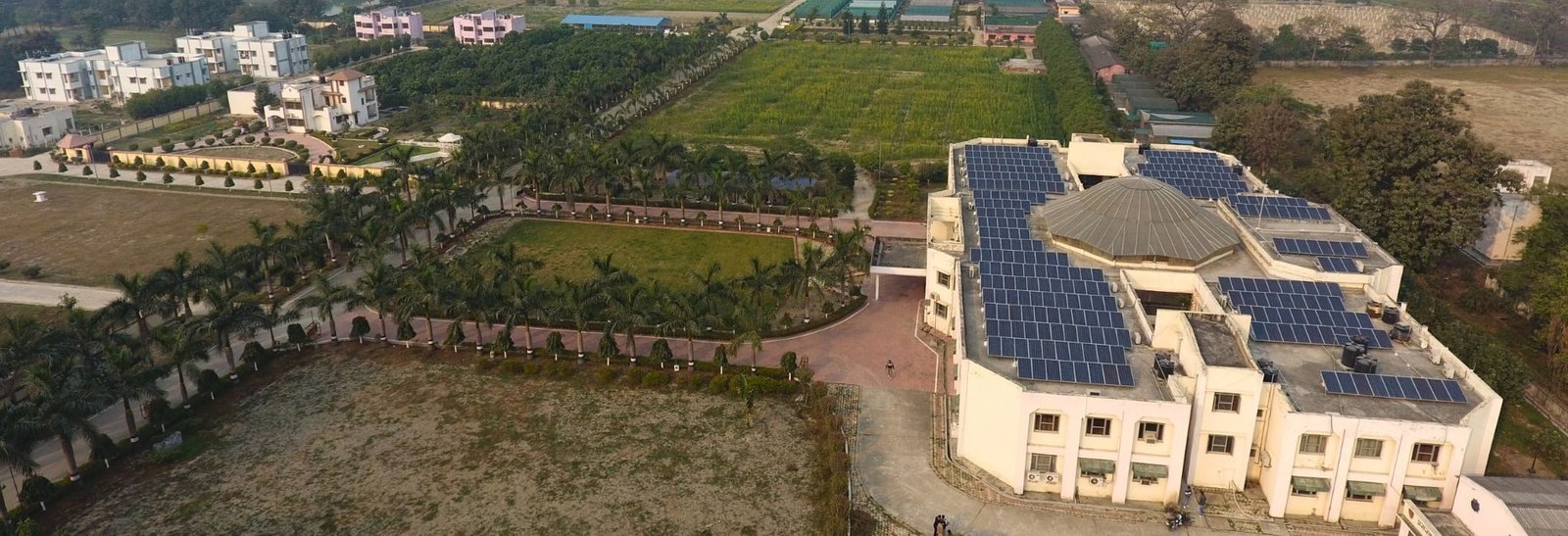
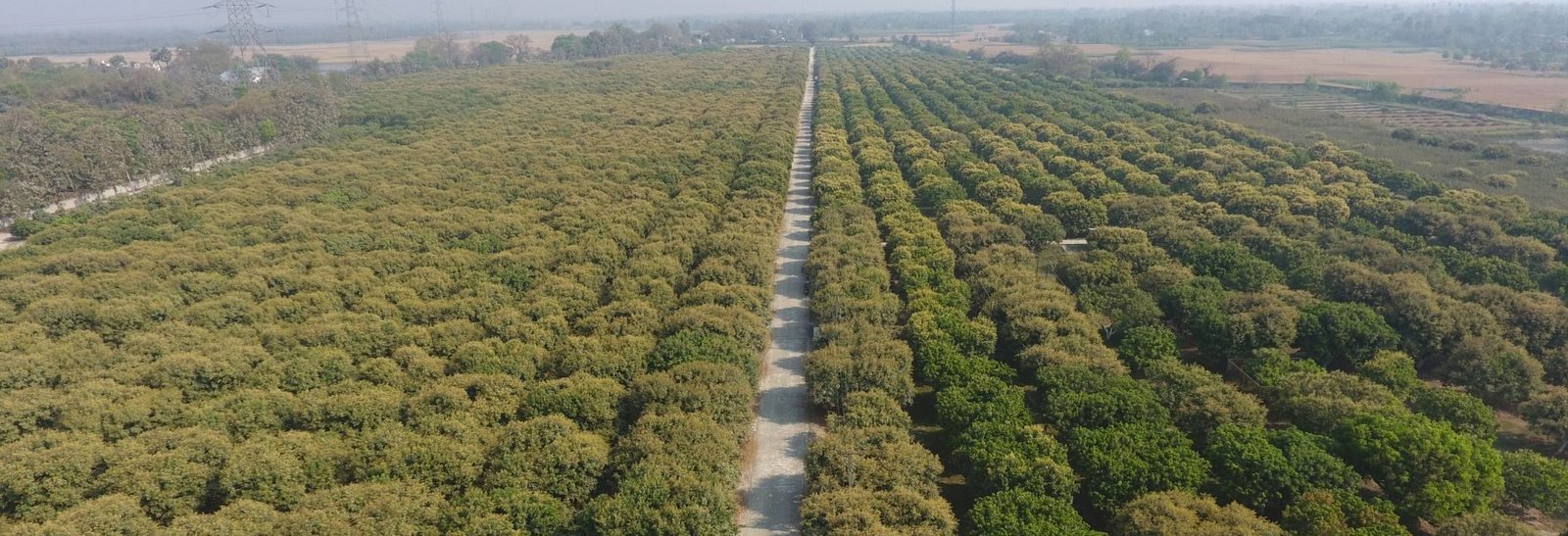
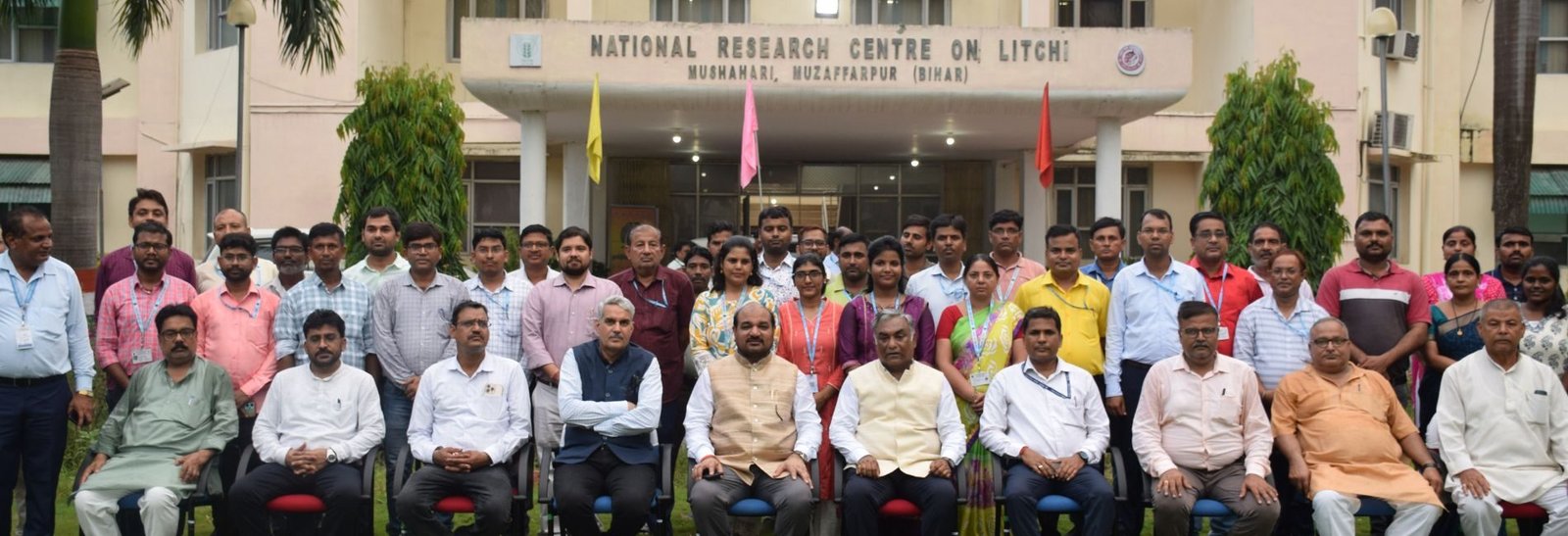
 The ICAR-NRCL (An ISO 9001:2015 Certified Institute) is premier national institute for conducting research and developments on litchi and provides leadership at national level. It also acts as a national repository of information on litchi production, processing, value addition, and provides consultancy services to end users. The ICAR-National Research Centre on Litchi was established on 6th June, 2001 at the fag end of IXth Plan by Ministry of Agriculture, Government of India under the aegis of Indian Council of Agricultural Research to act as a nodal institution for research and development on litchi in India in a mission mode approach. The Centre started functioning from 2002 with budgetary allocation and the first batch of two scientists joining the Centre in March, 2002.
Currently, the Centre has one RMP, 9 Scientific, 7 Technical, 10 Administrative and 2 Supporting Staff against the sanctioned strength of one RMP, 15 Scientific, 8 Technical, 11 Administrative and 2 Supporting Staff.
-
Dated:- 22/10/2026 - Bid document for tender of Manpower Outsourcing Services
-
Dated:- 16/10/2026 - Extension of Tender Submission Date for Fish Pond Auction up to 26 October, 2026
-
Dated:- 16/10/2026 - Bid document for tender of Security Manpower Service
-
Dated:- 08/10/2026 - GeM-Bidding-10002562-Stainless Steel Dining Table and Chair
-
Dated:- 28/09/2026 - Tender Notice for Leasing of Fish Ponds for Fish Farming at ICAR–NRC on Litchi, Muzaffarpur (2026–2029)
-
Dated:- 22/09/2026 - Tender – Renovation of Drainage System of Type-II & Type-III Quarters

Playlist

12:03

1:00

0:30

1:15